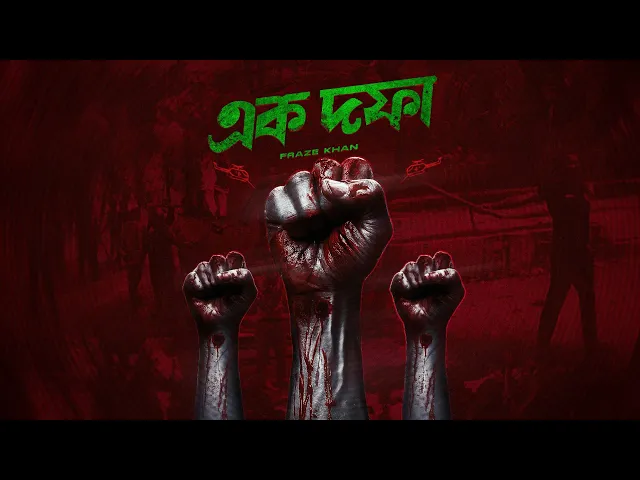

BANGLADESH • JULY - AUGUSTT 2024 • HISTORICAL ARCHIVE
July
Uprising
July
Uprising
July
Uprising
The Quota Revolution · Bangladesh 2024
The Quota Revolution · Bangladesh 2024
What began as a peaceful student protest against job quotas became one of the most consequential people's movements in modern history, ending fifteen years of authoritarian rule in 36 days, at a documented cost of 843 lives.
What began as a peaceful student protest against job quotas became one of the most consequential people's movements in modern history, ending fifteen years of authoritarian rule in 36 days, at a documented cost of 843 lives.
Overview
A Nation Rewrites Its History
A Nation Rewrites
Its History
~843
Lives lost
10,000+
arrested
14,370+
Injured
36
Days of uprising
Note ― According to reports from the UN Human Rights Office (OHCHR), the number is way higher.
The July Uprising of 2024 is the story of how a simple student protest turned into a historic movement that changed the future of Bangladesh.
The July Uprising of 2024 is the story of how a simple student protest turned into a historic movement that changed the future of Bangladesh.
What began on July 1 as a peaceful demand by university youth for fairness and merit in government jobs, quickly turned into a nationwide struggle for justice. During the crackdown, security forces deployed lethal force against civilians, resulting in an official toll of 843 fatalities, including over 120 children, and 14,370 injuries, according to the latest government data. By comparison, UN assessments place potential fatalities at up to 1,400. These figures are subject to change over time due to ongoing government verification, removal or addition of entries, and systematic reviews of the casualty lists.
On August 5, 2024, the sheer power of millions of ordinary people marching side by side finally brought down a fifteen-year authoritarian government. The young people who called this day "36 July" refusing to let the calendar reset until freedom was won had prevailed.
This archive is built to keep those memories alive, ensuring the true facts, the deep sorrow, and the ultimate victory of our people are never forgotten. The stories here belong to the nation, and they must never be erased.
Narrative Arc
8 Stages of Revolution
Each stage is named after the slogan that defined it — the words that echoed through the streets of Bangladesh.

STAGE 01
July 1 – 6, 2024
Quota or Merit? Merit, Merit!
কোটা না মেধা? মেধা মেধা!
The story of our revolution did not begin with a loud explosion. It started with a quiet, heavy worry in the hearts of young university graduates. In June, a court decided to bring back an old rule that gave 30% of government jobs to a specific quota. For millions of ordinary students who were already struggling to find a job in a tough economy, this felt like a door slamming shut on their hard work and merit.
When classes reopened after the Eid holidays on July 1, students at Dhaka University and other campuses walked out into the open courtyards. At first, everything was completely peaceful. The students gathered for short rallies and simply asked the courts to do justice to them. They believed in the system. They gave the judges a deadline of July 4 to fix it. But when the court refused to give an immediate answer, the students realized they could not win this fight inside a quiet courtroom alone. They knew they had to step outside the university gates and make the whole country hear their cry for fairness.
0:00/1:34
STAGE 01
July 1 – 6, 2024
Quota or Merit? Merit, Merit!
কোটা না মেধা? মেধা মেধা!
The story of our revolution did not begin with a loud explosion. It started with a quiet, heavy worry in the hearts of young university graduates. In June, a court decided to bring back an old rule that gave 30% of government jobs to a specific quota. For millions of ordinary students who were already struggling to find a job in a tough economy, this felt like a door slamming shut on their hard work and merit.
When classes reopened after the Eid holidays on July 1, students at Dhaka University and other campuses walked out into the open courtyards. At first, everything was completely peaceful. The students gathered for short rallies and simply asked the courts to do justice to them. They believed in the system. They gave the judges a deadline of July 4 to fix it. But when the court refused to give an immediate answer, the students realized they could not win this fight inside a quiet courtroom alone. They knew they had to step outside the university gates and make the whole country hear their cry for fairness.
0:00/1:34

STAGE 02
July 7 – 13, 2024
Spread the word across Bangladesh, bury the quota system
সারা বাংলায় খবর দে, কোটাপ্রথার কবর দে
When the court still didn’t pay heed to the students’ demands, the movement stepped onto the main roads, and the entire nation took notice. Students formed a platform to formulate the movement, in the name ‘Students Against Discrimination’, and launched Bangla Blockade. From the hot afternoon until late at night, students sat down on the hard pitch at the busiest intersections of Dhaka, like Shahbagh, Karwan Bazar, and Mohakhali. Out in the districts, other students blocked railway lines and national highways. They had no weapons; they only had their books, national flags, and each other.
The government tried to calm them down with a temporary four-week pause from the court, but the students saw it as a trick to tire them out. They demanded a real, permanent decision from the government leaders. By July 11, the state became violent, police moved in with heavy batons, hot water cannons, and blinding tear gas to break up the crowds. Government ministers began giving harsh warnings on television, saying the youth were crossing their lines. But even while coughing through the thick smoke and nursing their first bruises, the students refused to go home.
0:00/1:34
STAGE 02
July 7 – 13, 2024
Spread the word across Bangladesh, bury the quota system
সারা বাংলায় খবর দে, কোটাপ্রথার কবর দে
When the court still didn’t pay heed to the students’ demands, the movement stepped onto the main roads, and the entire nation took notice. Students formed a platform to formulate the movement, in the name ‘Students Against Discrimination’, and launched Bangla Blockade. From the hot afternoon until late at night, students sat down on the hard pitch at the busiest intersections of Dhaka, like Shahbagh, Karwan Bazar, and Mohakhali. Out in the districts, other students blocked railway lines and national highways. They had no weapons; they only had their books, national flags, and each other.
The government tried to calm them down with a temporary four-week pause from the court, but the students saw it as a trick to tire them out. They demanded a real, permanent decision from the government leaders. By July 11, the state became violent, police moved in with heavy batons, hot water cannons, and blinding tear gas to break up the crowds. Government ministers began giving harsh warnings on television, saying the youth were crossing their lines. But even while coughing through the thick smoke and nursing their first bruises, the students refused to go home.
0:00/1:34

STAGE 03
July 14 – 15, 2024
Who are you? Who am I? Razakars! Who said so? The Dictator!
তুমি কে? আমি কে? রাজাকার! রাজাকার!
On July 14, during a televised press conference, Prime Minister Sheikh Hasina leveled a historical slur at the protesting youth, asking if the grandchildren of wartime collaborators, "Razakars" should get jobs over the descendants of freedom fighters. The insult cut to the bone. That night, a wave of righteous fury broke over Dhaka University as thousands of students marched through the dark, turning the slur on its head: “তুমি কে? আমি কে? রাজাকার! রাজাকার! কে বলেছে? কে বলেছে? স্বৈরাচার! স্বৈরাচার!”
The next day, the regime unleashed pure terror. Armed student cadres of the ruling party, backed by the police, rushed onto campuses with sticks, rods, and guns. They didn't care who stood in front of them. Our university sisters and girls were brutally beaten directly on the streets, dragged by their hair, and left bleeding on the concrete.
0:00/1:34
STAGE 03
July 14 – 15, 2024
Who are you? Who am I? Razakars! Who said so? The Dictator!
তুমি কে? আমি কে? রাজাকার! রাজাকার!
On July 14, during a televised press conference, Prime Minister Sheikh Hasina leveled a historical slur at the protesting youth, asking if the grandchildren of wartime collaborators, "Razakars" should get jobs over the descendants of freedom fighters. The insult cut to the bone. That night, a wave of righteous fury broke over Dhaka University as thousands of students marched through the dark, turning the slur on its head: “তুমি কে? আমি কে? রাজাকার! রাজাকার! কে বলেছে? কে বলেছে? স্বৈরাচার! স্বৈরাচার!”
The next day, the regime unleashed pure terror. Armed student cadres of the ruling party, backed by the police, rushed onto campuses with sticks, rods, and guns. They didn't care who stood in front of them. Our university sisters and girls were brutally beaten directly on the streets, dragged by their hair, and left bleeding on the concrete.
0:00/1:34

STAGE 04
July 16 – 20, 2024
A storm rages within us, we bare our chests to your bullets.
বুকের ভেতর অনেক ঝড়, বুক পেতেছি গুলি কর!
Then came July 16, a day the nation will never forget. In Rangpur, our warrior, Abu Sayed walked into the middle of a completely empty road. He held nothing but a small plastic stick. He stood tall, spread his arms wide, and bared his chest right in front of the police shotgun barrels. The police fired lead hunting pellets into his chest at close range. He shook for a moment, tried to stay standing, and then fell into the dust. The video of his brave death went viral on everyone's phones, sending a wave of tears and unstoppable anger through every home in Bangladesh. By July 17, the tragic imagery galvanized ordinary citizens and families to join the student battle.
On July 18, students from private universities and colleges could no longer sit at home while their brothers and sisters were being killed. They flooded the streets to protect them. In Dhaka’s Uttara, a student named Mir Mugdho was walking through the thick tear gas, carrying a crate of water for the tired students. He was calling out: “পানি লাগবে কারো? পানি?” Minutes later, a bullet struck his forehead, killing him instantly with his eyes still open. That very same afternoon, another student named Yamin was brutally shot, and the horrific, viral footage of security forces yanking his unconscious body off a moving armored personnel carrier and dumping it onto the hard concrete left the entire country paralyzed with shock.
By deliberately cutting the internet, the regime weaponized absolute darkness to execute an unmonitored massacre across the nation. During those pitch-black days when the internet was cut and the world could not see what was happening, a suffocating terror followed families right into the safety of their own homes. Hidden in total darkness, the forces were deployed with strict orders to shoot anyone on sight. The sky became a place of dread as helicopters hovered overhead, firing indiscriminately into residential neighborhoods. Innocent children, like Riya, who was playing on the rooftop or Samir, who was simply closing the window, were struck down in a heartbeat, breathing their last breaths directly in the arms of their screaming parents. Even the comfort of a bedroom offered no protection, as stray bullets shattered window glass to steal young lives away. Out on the streets, the cruelty reached a level of absolute madness; wounded youths were heartlessly executed at point-blank range or treated like trophies, thrown onto the roofs of moving armored vehicles while families wept in the shadows.
0:00/1:34
STAGE 04
July 16 – 20, 2024
A storm rages within us, we bare our chests to your bullets.
বুকের ভেতর অনেক ঝড়, বুক পেতেছি গুলি কর!
Then came July 16, a day the nation will never forget. In Rangpur, our warrior, Abu Sayed walked into the middle of a completely empty road. He held nothing but a small plastic stick. He stood tall, spread his arms wide, and bared his chest right in front of the police shotgun barrels. The police fired lead hunting pellets into his chest at close range. He shook for a moment, tried to stay standing, and then fell into the dust. The video of his brave death went viral on everyone's phones, sending a wave of tears and unstoppable anger through every home in Bangladesh. By July 17, the tragic imagery galvanized ordinary citizens and families to join the student battle.
On July 18, students from private universities and colleges could no longer sit at home while their brothers and sisters were being killed. They flooded the streets to protect them. In Dhaka’s Uttara, a student named Mir Mugdho was walking through the thick tear gas, carrying a crate of water for the tired students. He was calling out: “পানি লাগবে কারো? পানি?” Minutes later, a bullet struck his forehead, killing him instantly with his eyes still open. That very same afternoon, another student named Yamin was brutally shot, and the horrific, viral footage of security forces yanking his unconscious body off a moving armored personnel carrier and dumping it onto the hard concrete left the entire country paralyzed with shock.
By deliberately cutting the internet, the regime weaponized absolute darkness to execute an unmonitored massacre across the nation. During those pitch-black days when the internet was cut and the world could not see what was happening, a suffocating terror followed families right into the safety of their own homes. Hidden in total darkness, the forces were deployed with strict orders to shoot anyone on sight. The sky became a place of dread as helicopters hovered overhead, firing indiscriminately into residential neighborhoods. Innocent children, like Riya, who was playing on the rooftop or Samir, who was simply closing the window, were struck down in a heartbeat, breathing their last breaths directly in the arms of their screaming parents. Even the comfort of a bedroom offered no protection, as stray bullets shattered window glass to steal young lives away. Out on the streets, the cruelty reached a level of absolute madness; wounded youths were heartlessly executed at point-blank range or treated like trophies, thrown onto the roofs of moving armored vehicles while families wept in the shadows.
0:00/1:34

STAGE 05
July 21 – 30, 2024
Bring the Dead Back to Life, or Step Down from Power
লাশের ভেতর জীবন দে, নইলে গদি ছেড়ে দে
On July 21, seeing the country on the verge of total collapse, the Supreme Court held an emergency session and slashed the quota down to 7%. But it was far too late for a mathematical compromise. The streets were already soaked in the blood of children, and the movement had mutated into something larger: a demand for accountability.
When broadband internet was partially restored on July 23, the regime tried to script a lie. The Detective Branch released a heavily staged video of six top student coordinators, starved and snatched from hospital beds, monotonously reading a statement declaring the end of the protests. But the people of Bangladesh refused to be fooled. From safehouses and hidden alleyways, other student leaders rushed online to reject the hostage tape and told everyone to keep fighting. The nation stood with them. When the government declared July 30 a National Day of Mourning, the students rejected it. Instead, they asked everyone to turn their social media profile pictures into a solid, bright red color. Overnight, millions of Facebook and internet accounts became a sea of red, a silent, powerful roar showing that the entire country was standing as one with the students.
While the brave students on the front lines faced live bullets with their bare chests, thousands of other students who could not fight directly found their own way to join the battle. They used their creativity as a shield and a weapon. During the terrifying internet blackouts, when the streets were echoing with the sound of gunfire, young musicians created fierce, rebellious rap songs and protest music. The fast, heavy beats and honest words spoke of the anger of the streets, mocked the corrupt leaders, and honored the martyrs. The gray, silent walls of Dhaka and other cities were turned into giant canvases of defiance. Armed only with spray paint and brushes during the dark curfew nights, students painted massive murals and wrote bold slogans like "দেশটা কারও বাপের না” (This country doesn't belong to anyone's father). They drew striking red-and-yellow posters of closed fists and freedom fighters.
0:00/1:34
STAGE 05
July 21 – 30, 2024
Bring the Dead Back to Life, or Step Down from Power
লাশের ভেতর জীবন দে, নইলে গদি ছেড়ে দে
On July 21, seeing the country on the verge of total collapse, the Supreme Court held an emergency session and slashed the quota down to 7%. But it was far too late for a mathematical compromise. The streets were already soaked in the blood of children, and the movement had mutated into something larger: a demand for accountability.
When broadband internet was partially restored on July 23, the regime tried to script a lie. The Detective Branch released a heavily staged video of six top student coordinators, starved and snatched from hospital beds, monotonously reading a statement declaring the end of the protests. But the people of Bangladesh refused to be fooled. From safehouses and hidden alleyways, other student leaders rushed online to reject the hostage tape and told everyone to keep fighting. The nation stood with them. When the government declared July 30 a National Day of Mourning, the students rejected it. Instead, they asked everyone to turn their social media profile pictures into a solid, bright red color. Overnight, millions of Facebook and internet accounts became a sea of red, a silent, powerful roar showing that the entire country was standing as one with the students.
While the brave students on the front lines faced live bullets with their bare chests, thousands of other students who could not fight directly found their own way to join the battle. They used their creativity as a shield and a weapon. During the terrifying internet blackouts, when the streets were echoing with the sound of gunfire, young musicians created fierce, rebellious rap songs and protest music. The fast, heavy beats and honest words spoke of the anger of the streets, mocked the corrupt leaders, and honored the martyrs. The gray, silent walls of Dhaka and other cities were turned into giant canvases of defiance. Armed only with spray paint and brushes during the dark curfew nights, students painted massive murals and wrote bold slogans like "দেশটা কারও বাপের না” (This country doesn't belong to anyone's father). They drew striking red-and-yellow posters of closed fists and freedom fighters.
0:00/1:34

STAGE 06
July 31 – August 3, 2024
One Point, One Demand, Resignation of Sheikh Hasina
দফা এক, দাবি এক, শেখ হাসিনার পদত্যাগ
On July 31, the students launched the "March for Justice," taking their grief directly to the doorsteps of the nation's courts to protest the mass arrests and midnight abductions of thousands of citizens. Once again, the police attacked them with batons and gas from town to town.
The state's complete refusal to account for its crimes convinced the students that the tree of tyranny could not be pruned, it had to be uprooted. On August 3, 2024, an unforgettable ocean of people, over 300,000 students, parents, rickshaw pullers, and professionals gathered at Dhaka's Central Shaheed Minar. Standing beneath the monument built for language martyrs, student leaders uttered the words that would change history forever: the "One-Point Demand", the immediate, unconditional resignation of Sheikh Hasina and her entire cabinet.
0:00/1:34
STAGE 06
July 31 – August 3, 2024
One Point, One Demand, Resignation of Sheikh Hasina
দফা এক, দাবি এক, শেখ হাসিনার পদত্যাগ
On July 31, the students launched the "March for Justice," taking their grief directly to the doorsteps of the nation's courts to protest the mass arrests and midnight abductions of thousands of citizens. Once again, the police attacked them with batons and gas from town to town.
The state's complete refusal to account for its crimes convinced the students that the tree of tyranny could not be pruned, it had to be uprooted. On August 3, 2024, an unforgettable ocean of people, over 300,000 students, parents, rickshaw pullers, and professionals gathered at Dhaka's Central Shaheed Minar. Standing beneath the monument built for language martyrs, student leaders uttered the words that would change history forever: the "One-Point Demand", the immediate, unconditional resignation of Sheikh Hasina and her entire cabinet.
0:00/1:34

STAGE 07
August 4 – 5, 2024
The People Rose in a Tide, The Autocrat Fled
জনতার জোয়ার, পালালো স্বৈরাচার!
August 4 was a day of terrible bloodshed. The Non-cooperation Movement began, with millions refusing to pay taxes or recognize the state's authority. The ruling party cadres and police attacked with everything they had, killing over 300 people in just twenty-four hours. But the spirit of the people could not be crushed. Even knowing they could die, teenagers rushed to the front lines. On August 5, a day the youth triumphantly called "36 July," refusing to let the calendar reset until freedom was won, millions of citizens marched on Dhaka, walking straight through military curfews and breaking down barricades near the Prime Minister’s Office. The army refused to fire on the massive crowds. Faced with millions of people marching directly toward the PM’s office, Sheikh Hasina finally resigned at 2:25 PM and fled the country in a military helicopter to India. The crowds broke through the gates, weeping, laughing, and hugging each other in pure relief.
0:00/1:34
STAGE 07
August 4 – 5, 2024
The People Rose in a Tide, The Autocrat Fled
জনতার জোয়ার, পালালো স্বৈরাচার!
August 4 was a day of terrible bloodshed. The Non-cooperation Movement began, with millions refusing to pay taxes or recognize the state's authority. The ruling party cadres and police attacked with everything they had, killing over 300 people in just twenty-four hours. But the spirit of the people could not be crushed. Even knowing they could die, teenagers rushed to the front lines. On August 5, a day the youth triumphantly called "36 July," refusing to let the calendar reset until freedom was won, millions of citizens marched on Dhaka, walking straight through military curfews and breaking down barricades near the Prime Minister’s Office. The army refused to fire on the massive crowds. Faced with millions of people marching directly toward the PM’s office, Sheikh Hasina finally resigned at 2:25 PM and fled the country in a military helicopter to India. The crowds broke through the gates, weeping, laughing, and hugging each other in pure relief.
0:00/1:34

STAGE 08
August 6, 2024 — Ongoing
State Reform in Progress
রাষ্ট্র সংস্কার চলছে
The dictator was gone, but she left behind a country with deep, bleeding wounds. The police force went on a strike, admitting they had been forced by political leaders to shoot at their own nation's children. In the middle of this scary power vacuum, young school and college students stepped out in the rain to manage traffic, clean the streets, and guard neighborhoods.
The true cost of our freedom is heavy. More than 1,400 people lost their lives, and thousands are carrying bullets in their bodies. The trauma is still alive inside our homes. In many neighborhoods, little children are still too scared to go near windows, terrified that a bullet might fly through the glass. This archive is not just a collection of history; it is a monument to the heavy price our children paid for our freedom.
0:00/1:34
STAGE 08
August 6, 2024 — Ongoing
State Reform in Progress
রাষ্ট্র সংস্কার চলছে
The dictator was gone, but she left behind a country with deep, bleeding wounds. The police force went on a strike, admitting they had been forced by political leaders to shoot at their own nation's children. In the middle of this scary power vacuum, young school and college students stepped out in the rain to manage traffic, clean the streets, and guard neighborhoods.
The true cost of our freedom is heavy. More than 1,400 people lost their lives, and thousands are carrying bullets in their bodies. The trauma is still alive inside our homes. In many neighborhoods, little children are still too scared to go near windows, terrified that a bullet might fly through the glass. This archive is not just a collection of history; it is a monument to the heavy price our children paid for our freedom.
0:00/1:34
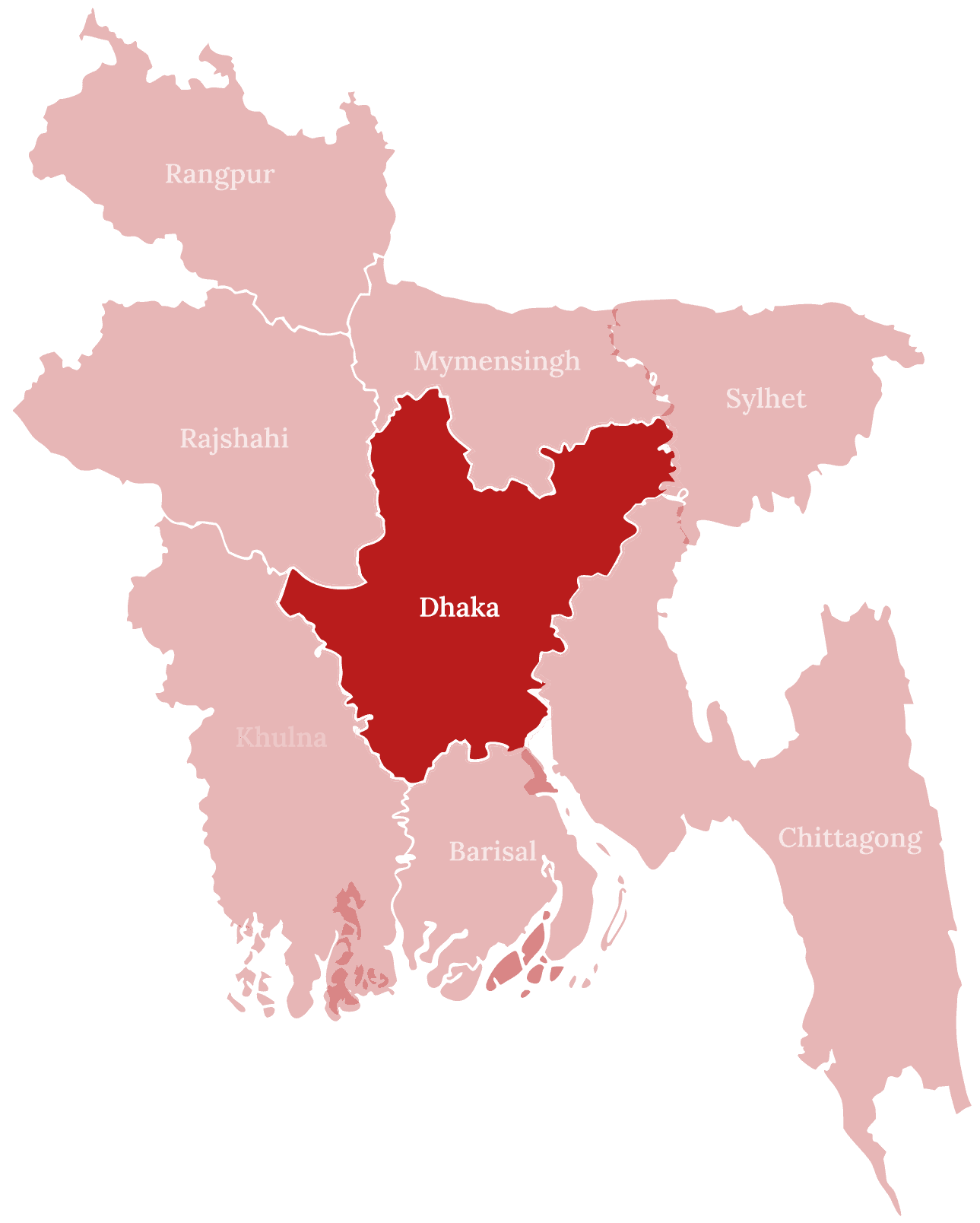
View by division
Dhaka DIVISION
~548
Martyrs
4,183+
Injured
Pace-Changing Incidents
BCL brutally attacked peaceful Dhaka University students, sparking immediate nationwide fury.
Mir Mugdho, shot in the forehead while distributing water to gasping, tear-gassed protesters.
Police opened fire on students marching with symbolic coffins to mourn fallen classmates.
Trapped students choked inside the BRAC University campus as police fired toxic tear gas.
Little six-year-old Riya Gope, shot dead by a stray bullet while playing on her home’s rooftop.
Hundreds of people shot, injured during high-tension clashes on the streets, hospitals full of protesters.
Yamin, shot and thrown from a moving armored police vehicle onto the hard highway.
Fourteen-year-old Golam Nafiz’s lifeless body left draped over a rickshaw after being shot by police.
A triumphant human sea of millions marched to Dhaka, claiming total national liberation.
Prime Areas of Revolution and Violence
Jatrabari, Science Lab, Uttara, Rampura, Badda, Savar, Farmgate, Mirpur, and Mohammadpur.
Comparison of All Divisions — Martyrs
Dhaka
548
Chittagong
83
Rajshahi
54
Rangpur
33
Khulna
66
Sylhet
22
Barishal
28
Mymenshingh
54
View by division
Dhaka DIVISION
~548
Martyrs
4,183+
Injured
Pace-Changing Incidents
BCL brutally attacked peaceful Dhaka University students, sparking immediate nationwide fury.
Mir Mugdho, shot in the forehead while distributing water to gasping, tear-gassed protesters.
Police opened fire on students marching with symbolic coffins to mourn fallen classmates.
Trapped students choked inside the BRAC University campus as police fired toxic tear gas.
Little six-year-old Riya Gope, shot dead by a stray bullet while playing on her home’s rooftop.
Hundreds of people shot, injured during high-tension clashes on the streets, hospitals full of protesters.
Yamin, shot and thrown from a moving armored police vehicle onto the hard highway.
Fourteen-year-old Golam Nafiz’s lifeless body left draped over a rickshaw after being shot by police.
A triumphant human sea of millions marched to Dhaka, claiming total national liberation.
Prime Areas of Revolution and Violence
Jatrabari, Science Lab, Uttara, Rampura, Badda, Savar, Farmgate, Mirpur, and Mohammadpur.
Comparison of All Divisions — Martyrs
Dhaka
548
Chittagong
83
Rajshahi
54
Rangpur
33
Khulna
66
Sylhet
22
Barishal
28
Mymenshingh
54
Interactive Timeline
36 Days
of Revolution
To a generation that refused to turn the page until freedom was secured, August 5 became '36 July.' Hover over individual days to reveal the chronicle of the movement.
Quiet
Anticipation
Mass Protest
Violence
Mass Killing
Blackout
Victory
1
Jul 1
2
Jul 2
3
Jul 3
4
Jul 4
5
Jul 5
6
Jul 6
7
Jul 7
8
Jul 8
9
Jul 9
10
Jul 10
11
Jul 11
12
Jul 12
13
Jul 13
14
Jul 14
15
Jul 15
16
Jul 16
17
Jul 17
18
Jul 18
19
Jul 19
20
Jul 20
21
Jul 21
22
Jul 22
23
Jul 23
24
Jul 24
25
Jul 25
26
Jul 26
27
Jul 27
28
Jul 28
29
Jul 29
30
Jul 30
31
Jul 31
32
Aug 1
33
Aug 2
34
Aug 3
35
Aug 4
36
Aug 5
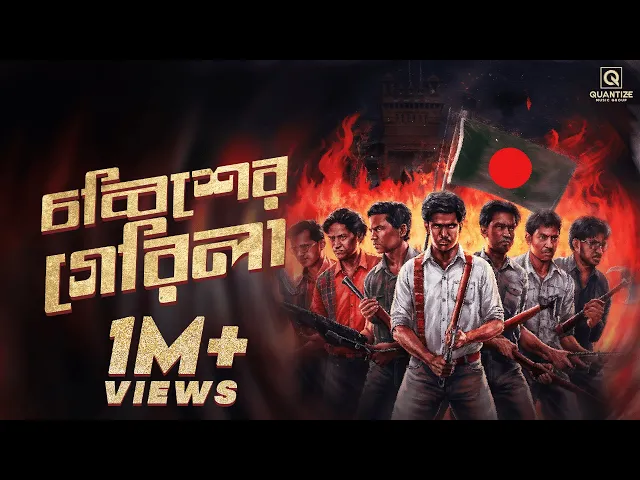
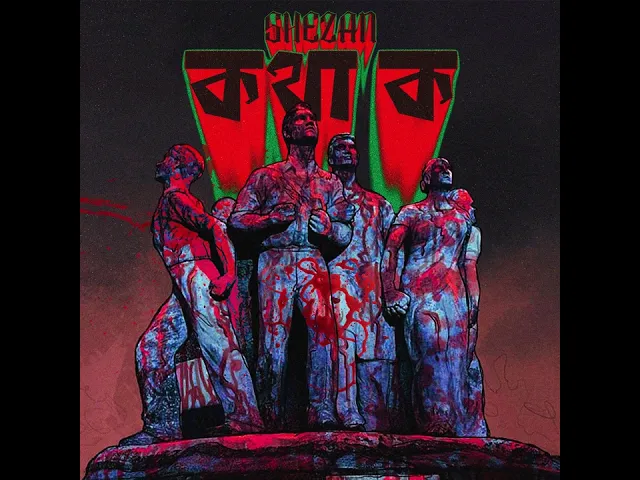
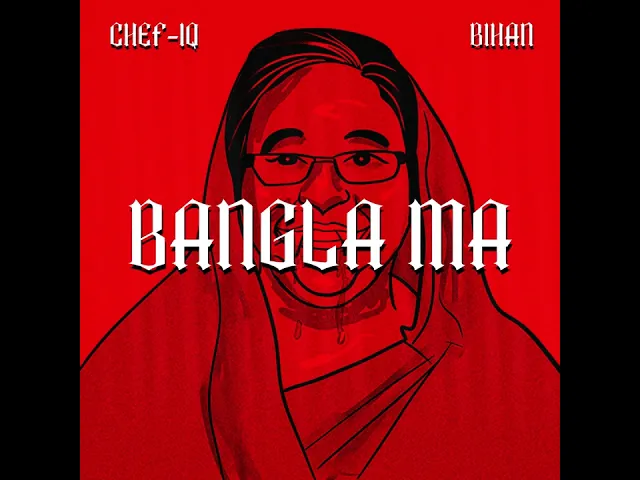
July playlist
Voices of
the Uprising
The raw rhythms of a generation's defiance, that fueled the resistance, captured collective grief, and soundtracked the historic uprising.
HELP US TO PRESERVE THE UNTOLD
YOU WITNESSED THE UPRISING THEY TRIED TO HIDE. NOW HELP US SAFEGUARD ITS PROOF.
The revolution was documented by the streets, and its true archive belongs to everyone who lived it. If you hold unreleased photos, videos, or archives stored away, step forward and help us complete the record.
01.
Register Your Details
Share your contact info and a brief description of the footage you have stored.
02.
Secure Transfer
Our team coordinates a verified channel and issues a secured upload format.
03.
Preserved & Credited
Your footage joins the permanent historical record, proudly carrying your name and credit.
The Archive
Never
Forget
The chapter of tyranny has closed, but the responsibility of protecting the truth now rests in our hands.
The Archive
Never
Forget
The chapter of tyranny has closed, but the responsibility of protecting the truth now rests in our hands.
The Archive
Never
Forget
The chapter of tyranny has closed, but the responsibility of protecting the truth now rests in our hands.